kolom bro

Showing posts with label Otomotiv. Show all posts

Thursday, 11 June 2015

The Automotive Electrical System


How does my cars electrical system work?

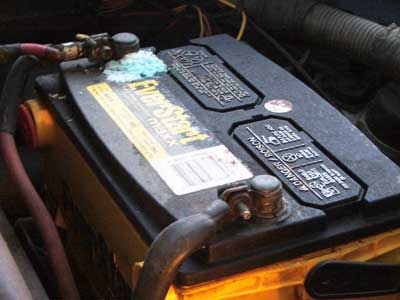
Learn how the automotive electrical system works in your car. From the Battery, Starter, Alternator and Cables, we will look at how to keep your electrical system operating properly. When it comes to getting your electical system serviced, follow the tips below to make sure your mechanic fixes it right the first time.

The Automotive Drivetrain


How does my transmission, driveshaft and rear axle work?

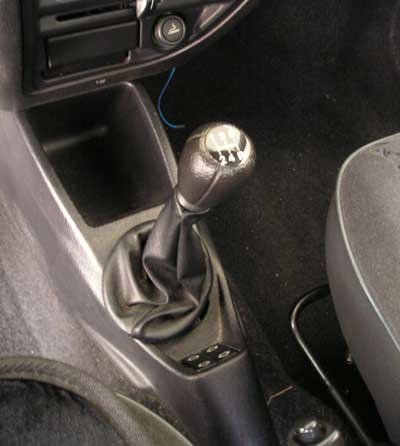
From the Transmission, through the drive shaft and ending up in your rear axle, the torque your engine produces reaches the road through your car's drivetrain. Learn the differences between front and rear wheel drive systems, common problems and more...

Drivetrain Arrangements

We need to get this out of the way before we can define parts, and talk about their function. Ever confusing, the arrangement of modern drivetrains is sometimes misunderstood. Let's look at the common arrangements and their strengths and weaknesses...
  • Rear Wheel Drive (RWD): The most common layout for older vehicles and most trucks. Power runs from the engine through a transmission and driveshaft to an axle at the rear of the vehicle.
  • Front Wheel Drive (FWD): The standard layout for most economy cars and even some compact SUVs since the 1980's. Power from your engine goes through a transaxle (a combination of transmission and axle) and travels to the front wheels through an axle shaft. The main advantage of front wheel drive layouts is that the weight of the engine is over the drive wheels, offering better traction. The downside is that for performance minded owners, weight balance and torque steer is an issue. Torque steer is the natural reaction to torque going to the ground through the front wheels, and shows up as a tug on the steering wheel when you really step on the gas.

The Cooling System


From the radiator to water pump your cooling system keeps your car running down the road.

Your car engine produces lots of heat, and keeping that heat in check is the critical job of the cooling system. Starting at the radiator, we will dive into the cooling system and see what you can do to keep it operating efficiently.
The cooling system is designed to remove heat from the engine to keep the engine operating in it's optimal temperature range. The cooling system is comprised of the following parts...
Water Pump: The water pump is either driven by the fan belt or the timing belt on some newer vehicles. The pump moves coolant from the radiator, through the engine, and back into the radiator. The pump has a shaft with a pulley on one end and a pump rotor on the other end. When the pulley is spun by a belt, the rotor moves the coolant.

Automotive Brakes


Learn how your car brakes work

Nothing stinks worse than having brake trouble and getting taken for a ride by your mechanic. Get the best information on brake repair so you do not get scammed at the garage. The braking system is a complex system which needs proper maintenance and care over the lifetime of your car.
Your car's brake system is a complex grouping of parts which serve a critical role in keeping you safe. No other system in the car is as important for your safety. Keeping your brake system in tip-top shape should be your top priority.
Let's start with the pedal and work our way down the braking system to better understand how it works. The Pedal is a strong steel lever which transmits the force from your foot to the master cylinder. The pedal typically has a switch attached to it, to turn on your brake lights when you press the pedal down.

Rust Basics

How to remove rust?

First some background... Rust is the result of an electro-chemical reaction between iron and oxygen and the end result is iron oxide. As with many chemical reactions we need a third element which in this case is water or H20. Do we need to flash back to high school chemistry class? Not really, just know that the more water is around, the faster rust will form. Water can be in the form of rain or just relative humidity, so the dryer the climate you live in, the less rust you will experience. This is why the best old cars come from Arizona and other western states with dry climates.

Auto Body Basics

Auto Body Basics

Repair Rust - Learn How To Do Body Work


Rust and dents are inevitable, learn how to keep your car's body looking it's best. Get tips on preventing rust, and fixing dent and accident damage.
Your car's body is made up of steel, plastic, aluminum and sometimes fiberglass.  These materials all have their plus and minuses, and all need to be cared for.  Steel is cheap and strong, but can rust when unprotected.  Plastic is flexible, durable, and can be molded into complex shapes unlike steel.  Aluminum is light and strong, but comes at a price.  
No matter what your vehicle is made of, there is a top layer of paint to protect the body from the elements.  Automotive paints have a tough job protecting your car's body panels from the sun, dirt, rain and snow.  While you can fix minor paint chips at home in the driveway, major panel resprays with today's modern paints are best left to professionals with the proper equipment and environmental controls.
The Automotive Engine

How your car engine works...


Today's engine is a collection of advanced parts and systems that provide the driving force to get you down the road. Modern electronics and materials may have made repairing engines more complicated, but the basic engine layout has not really changed over the years. Proper care and feeding of your engine will have it purring for many years. The best way to start learning about how your engine works, is to break down the engine in to parts, and explore each parts function.